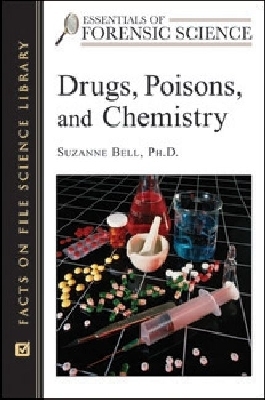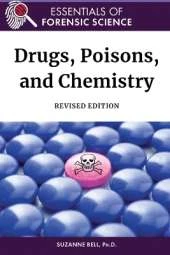

Forensic chemists and toxicologists work with drugs and poisons, but they each start with different evidence. Forensic chemists working in a crime lab must determine if the physical evidence they receive is an illegal substance such as marijuana or cocaine. They are also responsible for samples - including fire debris, soil, paint, glass, explosives, and fibers - obtained from suspected arson crimes. Toxicologists, on the other hand, work with biological evidence such as blood, saliva, urine, and feces, using analytical chemistry to identify chemical traces and unmetabolized drugs. They often work in labs associated with a medical examiner's office or a hospital. ""Drugs, Poisons, and Chemistry"" touches on all aspects of forensic chemistry.
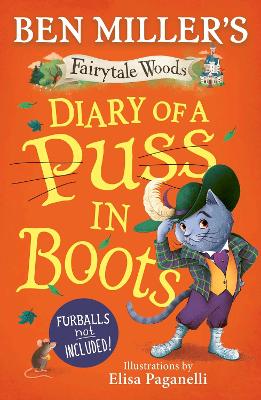 Kids will love this hilarious fairy tale adventure packed with clever twists, familiar characters and page-turning fun.
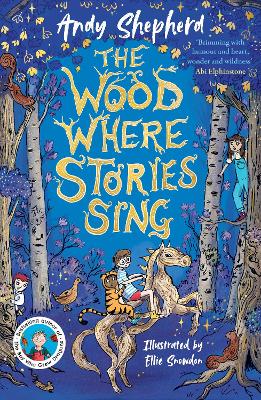 The second book in a fabulous new magical, middle-grade series filled with adventure, wonder and wildness,
This is Book 6 in the Essentials of Forensic Science Series. See all Essentials of Forensic Science books here.
See More Educational: Chemistry
No one has written a review for 'Drugs, Poisons, and Chemistry'
Why not be the first to share your opinion?