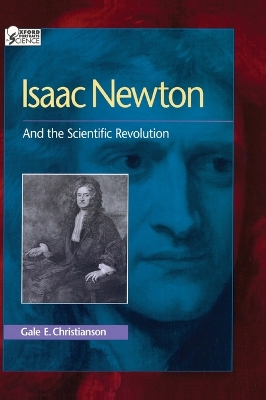

In 1665, when an epidemic of the plague forced Cambridge University to close, Isaac Newton, then a young, undistinguished scholar, returned to his childhood home in rural England. Away from his colleagues and professors, Newton embarked on one of the greatest intellectual odysseys in the history of science: he began to formulate the law of universal gravitation, developed the calculus, and made revolutionary discoveries about the nature of light. After his return to Cambridge, Newton's genius was quickly recognized and his reputation forever established. This biography also allows us to see the personal side of Newton, whose life away from science was equally fascinating. Quarrelsome, quirky, and not above using his position to silence critics and further his own career, he was an authentic genius with all too human faults.
Oxford Portraits in Science is an on-going series of scientific biographies for young adults. Written by top scholars and writers, each biography examines the personality of its subject as well as the thought process leading to his or her discoveries. These illustrated biographies combine accessible technical information with compelling personal stories to portray the scientists whose work has shaped our understanding of the natural world.
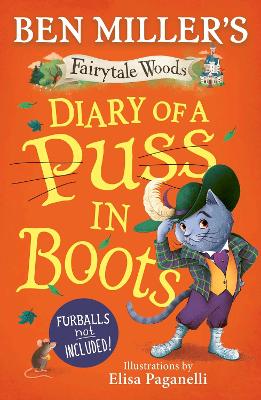 Kids will love this hilarious fairy tale adventure packed with clever twists, familiar characters and page-turning fun.
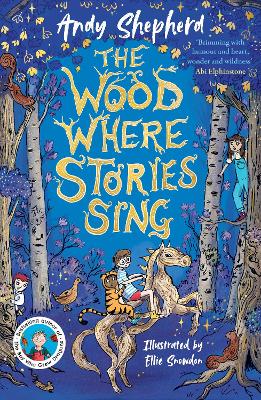 The second book in a fabulous new magical, middle-grade series filled with adventure, wonder and wildness,
This is Book 2 in the Oxford Portraits in Science Series. See all Oxford Portraits in Science books here.
No one has written a review for 'Isaac Newton: And the Scientific Revolution'
Why not be the first to share your opinion?
Gale E. Christianson was retired from Indiana State University, where he served as Distinguished Professor of the College of Arts and Sciences and Professor of History. He was a Guggenheim Fellow, a Huntington Library Fellow, and the recipient of numerous other grants and awards.
More about Gale E. Christianson