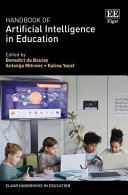

Gathering insightful and stimulating contributions from leading global experts in Artificial Intelligence in Education (AIED), this comprehensive Handbook traces the development of AIED from its early foundations in the 1970s to the present day.
The Handbook evaluates the use of AI techniques such as modelling in closed and open domains, machine learning, analytics, language understanding and production to create systems aimed at helping learners, teachers, and educational administrators. Chapters examine theories of affect, metacognition and pedagogy applied in AIED systems; foundational aspects of AIED architecture, design, authoring and evaluation; and collaborative learning, the use of games and psychomotor learning. It concludes with a critical discussion of the wider context of Artificial Intelligence in Education, examining its commercialisation, social and political role, and the ethics of its systems, as well as reviewing the possible challenges and opportunities for AIED in the next 20 years.
Providing a broad yet detailed account of the current field of Artificial Intelligence in Education, researchers and advanced students of education technology, innovation policy, and university management will benefit from this thought-provoking Handbook. Chapters will also be useful to support undergraduate courses in AI, computer science, and education.
 Kids will love this hilarious fairy tale adventure packed with clever twists, familiar characters and page-turning fun.
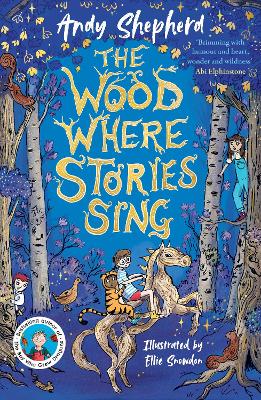 The second book in a fabulous new magical, middle-grade series filled with adventure, wonder and wildness,
This is Book 1 in the Elgar Handbooks in Education Series. See all Elgar Handbooks in Education books here.
See More Educational: Social sciences
No one has written a review for 'Handbook of Artificial Intelligence in Education'
Why not be the first to share your opinion?