
Collins Big Cat supports every primary child on their reading journey from phonics to fluency. Top authors and illustrators have created fiction and non-fiction books that children love to read. Levelled for guided and independent reading, each book includes ideas to support reading. Teaching and assessment support and eBooks are also available.
Which insects eat tarantulas? What are killer bees? Which ants have the most painful sting? Find out the answers to these questions and much, much more in this book all about the world’s biggest, nastiest, scariest insects.
Topaz/Band 13 books offer longer and more demanding reads for children to investigate and evaluate.
Text type: An information book
Ideas for guided reading in the back of the book provide practical support and stimulating activities
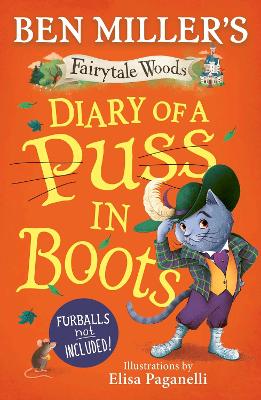 Kids will love this hilarious fairy tale adventure packed with clever twists, familiar characters and page-turning fun.
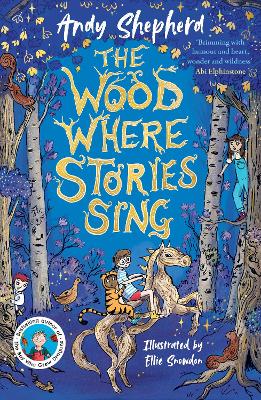 The second book in a fabulous new magical, middle-grade series filled with adventure, wonder and wildness,
This is Book 1026 in the Collins Big Cat Series. See all Collins Big Cat books here.
See More History & the past: general interest
See More People & places
See More Educational: Languages other than English
See More Educational: English language: reading & writing skills
See More Wildlife
See More Educational: English language: readers & reading schemes
No one has written a review for 'Zombie Wasps: Band 13/Topaz'
Why not be the first to share your opinion?
Mike Gould is a former Head of English and a university Lecturer in English and Education, who has written over 150 books for students and teachers in the UK and overseas. He advises schools and other organisations on educational policy, resources and projects related to language, literacy and assessment. He has written print-based and digital materials
More about Mike GouldThe book is fully checked and approved by the Department of Mienralogy at the Natural History Museum, London. The Museum's world-class collections of minerals, ores, meteorites, rocks and soils include specimens from Mars and the Moon and from the earliest bodies to form in the Solar System 4.56 billion years ago.
More about Natural History Museum