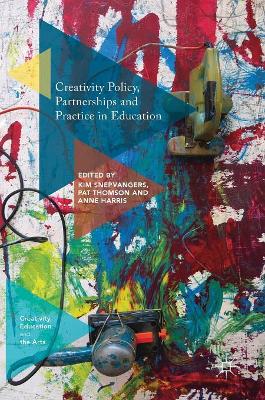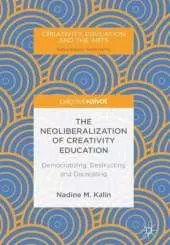

This book examines the gaps in creativity education across the education lifespan and the resulting implications for creative education and economic policy. Building on cutting-edge international research, the editors and contributors explore innovations in interdisciplinary creativities, including STEM agendas and definitions, science and creativity and organisational creativity amongst other subjects. Central to the volume is the idea that good creative educational practice and policy advancement needs to reimagine individual contribution and possibilities, whilst resisting standardization: it is inherently risky, not risk-averse. Prioritising creative partnerships, zones of contact, practice encounters and creative ecologies signal new modes of participatory engagement. Unfortunately, while primary schools continue to construct environments conducive to this kind of ‘slow education’, secondary schools and education policy persistently do not. This book argues, from diverse viewpoints and methodological perspectives, that 21st-century creativity education must find a way to advance in a more integrated and less siloed manner in order to respond to pedagogical innovation, economic imperatives and creative possibilities, and adequately prepare students for creative practice, workplaces and publics. This innovative volume will appeal to students and scholars of creative practice as well as policy makers and practitioners.
 Kids will love this hilarious fairy tale adventure packed with clever twists, familiar characters and page-turning fun.
 The second book in a fabulous new magical, middle-grade series filled with adventure, wonder and wildness,
This is Book 2 in the Creativity, Education and the Arts Series. See all Creativity, Education and the Arts books here.
See More Art: general interest
No one has written a review for 'Creativity Policy, Partnerships and Practice in Education'
Why not be the first to share your opinion?