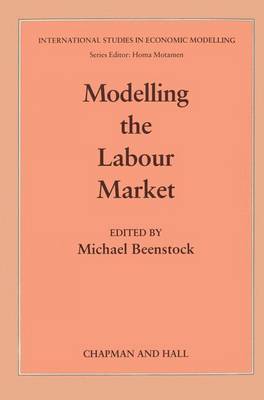

It is generally agreed that the operation of the labour market lies at the heart of macroeconomic activity. Following Keynes' attack on the postulates of the classics in The General Theory a number of labour market paradigms have been proposed including the Phillips curve, new classical and union bargaining models. These paradigms usually form the centrepiece of any good text on macroeconomic theory. Our purpose in this volume is not to restate these paradigms but to explore the extent to which they might be empirically modelled. To this end the volume includes a set of econometric models of the UK labour market where each contribution relates very closely to one of the principal paradigms. The purpose of this collection is threefold. First and foremost we wanted to present an integrated set of case studies in applied econometrics with reference to labour market modelling. In doing so we hope the volume will appeal to third year undergraduates and postgraduate students studying applied econometrics and labour economics. Secondly, the contributions have been carefully selected to illustrate the main paradigms since each contribution is intellectually self- contained. It is arguable that this may be disadvantageous as far as the truth is concerned if eclecticism is preferable. On the other hand it has pedagogic advantages in drawing sharp distinctions between the various approaches.
 Kids will love this hilarious fairy tale adventure packed with clever twists, familiar characters and page-turning fun.
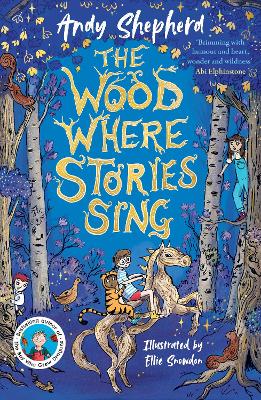 The second book in a fabulous new magical, middle-grade series filled with adventure, wonder and wildness,
This is Book 1 in the International Studies in Economic Modelling Series. See all International Studies in Economic Modelling books here.
No one has written a review for 'Modelling the Labour Market'
Why not be the first to share your opinion?