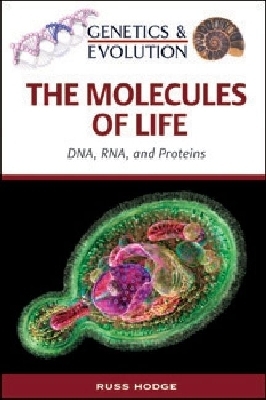

Thanks to new technology, scientists are able to observe organic molecules as they work together in the cell and in 'molecular machines', as well as how they build tissues, organs, and whole organisms. Understanding how these levels of structure work together not only answers fundamental questions about life, but it also gives hope for finding a cure for some of the major diseases that plague our species. Finding cures to genetic diseases requires a deep understanding of the mechanics of single molecules. ""The Molecules of Life"" explains how the chemistry and physics of organic molecules drive processes within cells and permit the construction of amazingly complex plants and animals. Describing some of the basic concepts needed to understand the field and discussing the methods used to explore the structures and behavior of DNA, RNA, and proteins, this new book is devoted to stories about how these molecules carry out the business of life. ""The Molecules of Life"" shows how and why scientists study biological molecules, including how they are built, how they interact with each other, and what roles they play in the lives of cells and organisms. Chapters of this title include: The Physics and Chemistry of Life: Basic Principles and Methods; How the Cell Stores and Uses Information; Communication Between and Inside Cells; Traffic and Cell Architecture; and, Molecules of Immunity, Health, and Disease.
 Kids will love this hilarious fairy tale adventure packed with clever twists, familiar characters and page-turning fun.
 The second book in a fabulous new magical, middle-grade series filled with adventure, wonder and wildness,
This is Book 4 in the Genetics and Evolution Series. See all Genetics and Evolution books here.
See More Educational: Biology
No one has written a review for 'The Molecules of Life: DNA, RNA and Proteins'
Why not be the first to share your opinion?