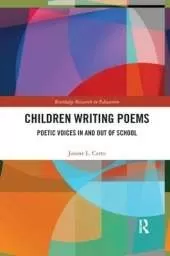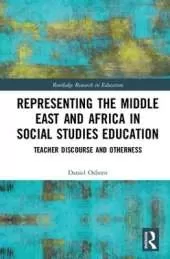

This book draws on applied linguistics and literary studies to offer concrete means of engaging with vernacular language and literature in secondary and college classrooms. The authors embrace a language-as-resource orientation, countering the popular narrative of vernaculars as problems in schools. The book is divided into two parts, with the first half of the book providing linguistic and pedagogical background, and the second half offering literary case studies for teaching. Part I examines the historical and continued devaluing of vernaculars in schools, incorporating clear, usable explanations of relevant theories. This section also outlines the central myths and paradoxes surrounding vernacular languages and literatures, includes productive ways for teachers to address those myths and paradoxes, and explores challenges and possibilities for vernacular language pedagogy. In Part II, the authors provide pedagogical case studies using literary texts written in vernacular Englishes from around the world. Each chapter examines a vernacular-related topic, and concludes with discussion questions and writing assignments; an appendix contains the poems and short stories discussed, and other teaching resources. The book provides a model of interdisciplinary inquiry that can be beneficial to scholars and practitioners in composition, literature, and applied linguistics, as well as students of all linguistic backgrounds.
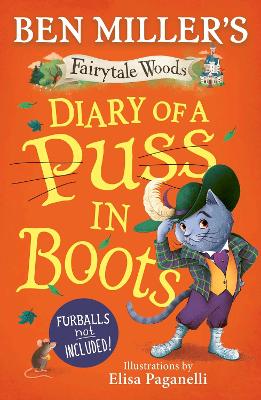 Kids will love this hilarious fairy tale adventure packed with clever twists, familiar characters and page-turning fun.
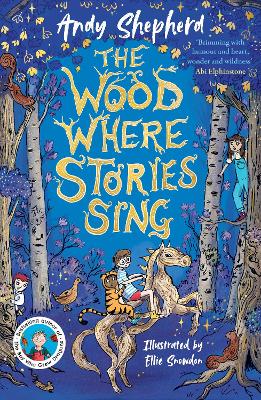 The second book in a fabulous new magical, middle-grade series filled with adventure, wonder and wildness,
This is Book 7 in the Routledge Research in Education Series. See all Routledge Research in Education books here.
No one has written a review for 'Vernaculars in the Classroom: Paradoxes, Pedagogy, Possibilities'
Why not be the first to share your opinion?