
TheaudiencefortheYearbookconsistsofmediaandtechnologyprofessionalsin schools,highereducation,andbusinesscontexts. Topicsofinteresttoprofessi- alspracticingintheseareasarebroad,astheTableofContentsdemonstrates. The themeunifyingeachofthechaptersinthebookistheuseoftechnologytoenable orenhanceeducation. Formsoftechnologyrepresentedinthisvolumevaryfrom traditionaltoolssuchasthebooktothelatestadvancementsindigitaltechnology, while areas of education encompass widely ranging situations involving learning andteaching,whichareideatechnologies. Asinpriorvolumes,theassumptionsunderlyingthechapterspresentedhereare asfollows: 1. Technologyrepresentstoolsthatactasextensionsoftheeducator. 2. Mediaserveasdeliverysystemsforeducationalcommunications. 3. Technologyisnotrestrictedtomachinesandhardware,butincludestechniques andproceduresderivedfromscienti?cresearchaboutwaystopromotechange inhumanperformance. 4. The fundamental tenet is that educational media and technology should be usedto a. achieveauthenticlearningobjectives, b. situatelearningtasks, c. negotiatethecomplexitiesofguidedlearning, d. facilitatetheconstructionofknowledge, e. aidintheassessment/documentingoflearning, f. supportskillacquisition,and g.
managediversity. TheEducationalMediaandTechnologyYearbook has become a standard r- erence in many libraries and professional collections. Examined in relation to its companion volumes of the past, it provides a valuable historical record of c- rent ideas and developments in the ?eld. Part I, "Trends and Issues in Learning, Design, and Technology," presents an array of chapters that develop some of the current themes listed above, in addition to others. Part II, "Trends and Issues in v vi Preface Library and Information Science," concentrates on chapters of special relevance to K-12 education, library science education, school learning resources, and v- ious types of library and media centers - school, public, and academic among others. In Part III, "Leadership Pro?les," authors provide biographical sketches of the careers of instructional technology leaders. Part IV, "Organizations and Associations," and Part V, "Graduate Programs," are, respectively, directories of instructional technology-related organizations and institutions of higher learning offeringdegreesinrelated?elds.
Finally,PartVI,"Mediagraphy:PrintandNonprint Resources,"presentsanannotatedlistingofselectedcurrentpublicationsrelatedto the?eld. The editors of the Yearbook invite media and technology professionals to submitmanuscriptsforconsiderationforpublication. ContactMichaelOrey(mi- orey@uga. edu)forsubmissionguidelines. Foranumberofyears,wehaveworkedtogetheraseditors,andthisisthes- enth year with Dr. Michael Orey as the senior editor. Within each volume of the EducationalMediaandTechnologyYearbook(EMTY),wetrytolistallthegra- ateprograms,journals,andorganizationsthatarerelatedtobothLearning,Design, andTechnology(LDT)andInformationandLibraryScience(ILS). Wealsoinclude asectionontrendsinLDTandtrendsinILS,andwehaveasectionpro?lingsome oftheleadersinthe?eld.
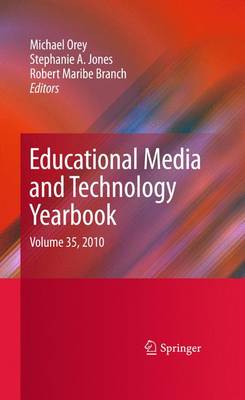
This is Book 35 in the Educational Media and Technology Yearbook Series. See all Educational Media and Technology Yearbook books here.
No one has written a review for 'Educational Media and Technology Yearbook'
Why not be the first to share your opinion?

 The second book in a fabulous new magical, middle-grade series filled with adventure, wonder and wildness,