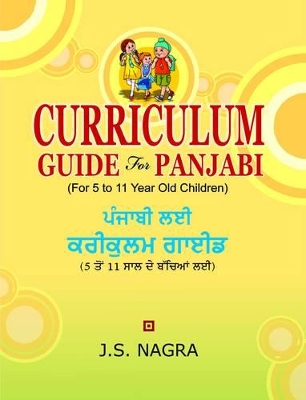

This Curriculum Guide is produced to bring some uniformity among various Panjabi teaching institutions such as Gurdwaras and state schools. There are at present no guidelines about what should be taught to children aged 5 to 11 and how their progress could be assessed This book will help supplementary schools and state schools that teach Panjabi to maintain uniformity in their teaching. Parents will also find this book useful to help their children learn Panjabi systematically at home. It contains four Parts. In Part 1, some general topics e.g. aims and objectives of teaching Panjabi, some practical suggestions for the teaching of Panjabi, with the emphasis of developing listening, speaking, reading and writing skills, assessment, record keeping and reporting have been discussed. Part II contains five levels of attainment in each skill-listening, speaking, reading and writing. There are some statements in each level in each attainment which the child should show competence in, in order to achieve that level of attainment. Level 1 is the lowest and 5 is the highest. Part III deals with the assessment recording of attainment for each child.
For each attainment target and for each level of attainment the teacher is required to complete an assessment form by writing the date against the statement to show that the child has the relevant competency to complete the task successfully. In Part IV, examples of some activities that could be incorporated into commonly used topics have been given. The purpose of these activities are to indicate how Panjabi can be incorporated into every day working of the school. Supplementary schools can also incorporate these activities, in order to make the teaching of Panjabi more interesting and enjoyable.
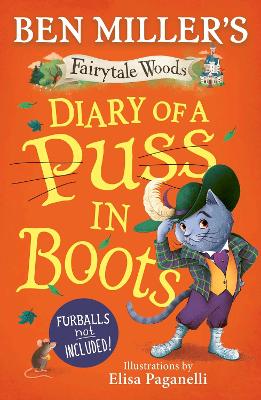 Kids will love this hilarious fairy tale adventure packed with clever twists, familiar characters and page-turning fun.
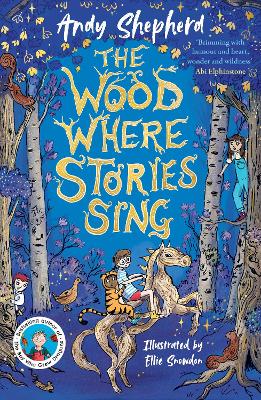 The second book in a fabulous new magical, middle-grade series filled with adventure, wonder and wildness,
No one has written a review for 'Curriculum Guide for Panjabi for 5 to 11 Years of Children'
Why not be the first to share your opinion?