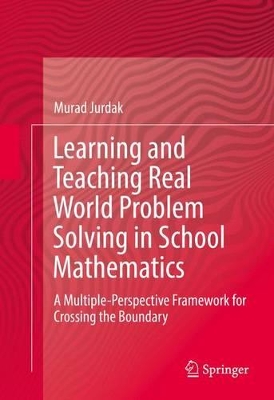

The ultimate aim of this book is to identify the conceptual tools and the instructional modalities which enable students and teachers to cross the boundary between school mathematics and real world problem solving. The book identifies, examines, and integrates seven conceptual tools, of which five are constructs (activity theory, narrative, modeling, critical mathematics education, ethnomathematics) and two are contexts (STEM and the workplace). The author develops two closely linked multiple-perspective frameworks: one for learning real world problem solving in school mathematics, which sets the foundations of learning real world problem solving in school mathematics; and one for teaching real world problem solving in school mathematics, which explores the modalities of teaching real world problem solving in school mathematics.“The book is composed as, on the one hand, a high-level theoretical scholarly work on real world problem solving in school mathematics, and, on the other hand, a set of twelve narratives which, put together, constitute a thought-provoking and moving personal and professional autobiography.” - Mogens Niss“These narratives combine aspects of Murad’s personal trajectory as an individual with those points in his professional career at which he became aware of perspectives on and approaches to mathematics education that were both significant in and of themselves, and instrumental for the specific scholarly endeavor presented in the book.” - Mogens Niss
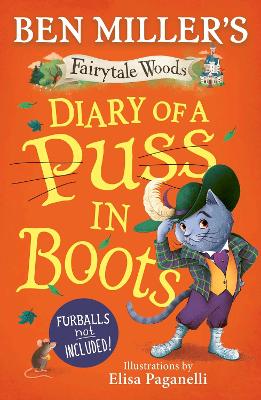 Kids will love this hilarious fairy tale adventure packed with clever twists, familiar characters and page-turning fun.
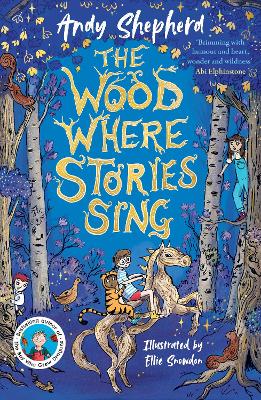 The second book in a fabulous new magical, middle-grade series filled with adventure, wonder and wildness,
See More Educational: Mathematics & numeracy
No one has written a review for 'Learning and Teaching Real World Problem Solving in School Mathematics: A Multiple-Perspective Framework for Crossing the Boundary'
Why not be the first to share your opinion?