
Given that scientific material can be hard to comprehend, sustained attention and memory retention become major reader challenges. Scientific writers must not only present their science, but also work hard to generate and sustain the interest of readers. Attention-getters, sentence progression, expectation-setting, and "memory offloaders" are essential devices to keep readers and reviewers engaged. The writer needs to have a clear understanding of the role played by each part of a paper, from its eye-catching title to its eye-opening conclusion. This book walks through the main parts of a paper; that is, those parts which create the critical first impression. The unique approach in this book is its focus on the reader rather than the writer. Senior scientists who supervise staff and postgraduates can use the book to review drafts and to help with the writing as well as the science. Young researchers can find solid guidelines that reduce the confusion all new writers face.
Published scientists can finally move from what feels right to what is right, identifying mistakes they thought were acceptable, and fully appreciating their responsibility: to guide the reader along carefully laid-out reading tracks.
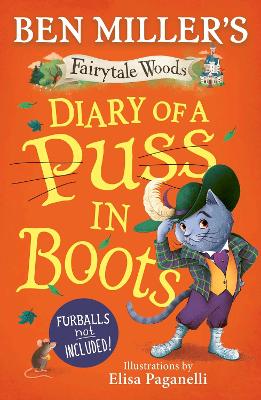 Kids will love this hilarious fairy tale adventure packed with clever twists, familiar characters and page-turning fun.
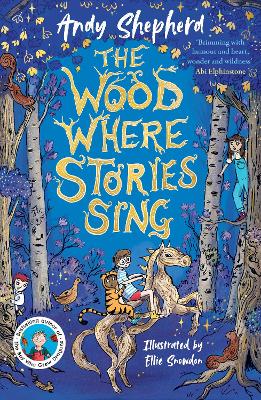 The second book in a fabulous new magical, middle-grade series filled with adventure, wonder and wildness,
No one has written a review for 'Scientific Writing: A Reader And Writer's Guide'
Why not be the first to share your opinion?