
The studies in this volume show how multilingual learners use language play in second language acquisition to internalize sets of ‘voices’ (rather than decontextualized linguistic systems), namely complexes of linguistic and non-linguistic features incorporating the personalities of significant others. In sociocultural terms, these internalized heteroglossic voices become tools that learners can adapt and use playfully to enact chosen roles, stances, and identities in subsequent oral interactions. Different chapters explore these sociocultural constructs using different approaches, including variationist sociolinguistics, conversation analysis, translanguaging, and positioning theory.
 Kids will love this hilarious fairy tale adventure packed with clever twists, familiar characters and page-turning fun.
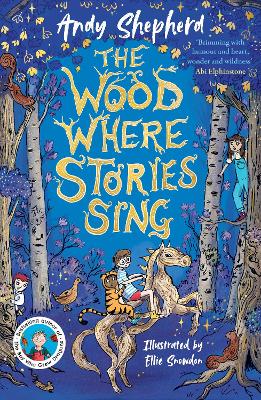 The second book in a fabulous new magical, middle-grade series filled with adventure, wonder and wildness,
This is Book 1 in the Language Play and Creativity [LPC] Series. See all Language Play and Creativity [LPC] books here.
No one has written a review for 'Heteroglossia and Language Play in Multilingual Speech: Pedagogical and Theoretical Implications'
Why not be the first to share your opinion?