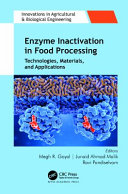

Enzyme inactivation in fruits and vegetables is of utmost importance regarding food quality during storage. This new volume explores important emerging technologies for the inactivation of enzymes in the design and preservation of food. The book covers the basic concepts and chemical methods and then introduces novel processing technologies for inactivating food enzymes. The new technologies are many: pulsed electric field, ultraviolet and light-emitting diodes, ohmic heating, dense-phased carbon dioxide, cold plasma, ultrasonication, microwave processing, radiofrequency, extraction, and others. The volume also looks at the design of nutraceutical-based functional foods, specific foods for gut-microbiodata, the use of omega-3 fatty acids to fortify food products, and the characteristics of dairy-based dry powders, and characteristics of millet starches. It also considers the role of the bioactive compounds and metal ions for catalases secreted by medicinal plants and mushrooms for enzyme inactivation and biosensing, along with the role of bionanomaterials in nanoencapsulation and catalysis.
 Kids will love this hilarious fairy tale adventure packed with clever twists, familiar characters and page-turning fun.
 The second book in a fabulous new magical, middle-grade series filled with adventure, wonder and wildness,
This is Book 29 in the Innovations in Agricultural & Biological Engineering Series. See all Innovations in Agricultural & Biological Engineering books here.
No one has written a review for 'Enzyme Inactivation in Food Processing: Technologies, Materials, and Applications'
Why not be the first to share your opinion?