There’s something magical about revisiting the books you loved as a child. For those who grew up in the 1990s, the school library, book fair, or bedtime bookshelf was a treasure trove of unforgettable stories. The best children’s books of the 90s didn’t just entertain us—they shaped how we saw the world, sparked our imaginations, and gave us characters we still remember decades later.
Whether you’re a 90s kid feeling nostalgic or a parent looking to share your childhood favourites with your own children, this list brings together ten iconic kids books that still stand the test of time. From quirky humour to heartfelt adventures, these stories offer a brilliant mix of fun, fantasy and life lessons—all wrapped up in a very retro reading experience.
So dig out your old library card (or just settle in with a cuppa) and take a trip down memory lane with these much-loved children’s books from the 1990s.
Georgina Atwell
Toppsta
2025-04-30
2025-04-30
10 Best Children's Books from the 90s Every Kid Will Remember
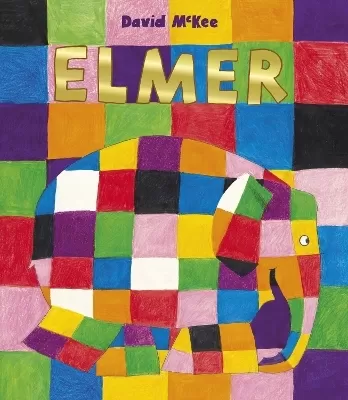
Elmer
Elmer, the patchwork elephant, stood out in every sense. First published in 1989, the book became a 90s favourite thanks to its vibrant illustrations and timeless message. Elmer isn’t grey like the other elephants—and after trying to change himself, he realises that being different is something to celebrate. With its bold colours and gentle humour, Elmer was a regular feature in nurseries and classrooms. It’s one of those stories that seems simple at first but leaves a lasting impact, especially for children learning to appreciate their own uniqueness.
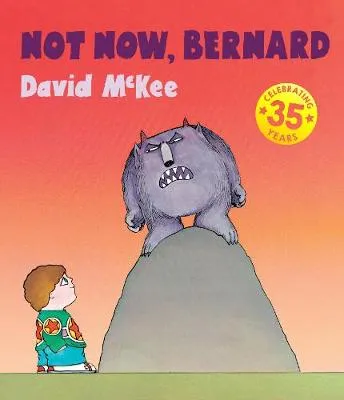
This deceptively simple picture book had been around since 1980, but by the 90s, it was a fixture in schools and nurseries. Not Now, Bernard follows a little boy who is persistently ignored by his parents—even after being eaten by a monster. Its bold illustrations and pitch-black humour struck a chord with children, who recognised the feeling of not being heard. While adults sometimes debated the message, kids embraced it wholeheartedly. It was a picture book that treated young readers as clever and capable of handling big ideas—and it stuck in the memory far longer than most.
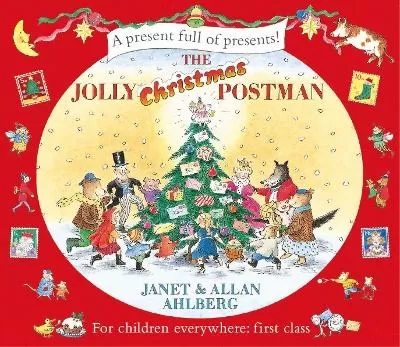
This festive follow-up to The Jolly Postman became an instant 90s classic. Published in 1991, it featured real letters and surprises tucked into envelopes between the pages, making reading a hands-on, magical experience. Children could pull out Christmas cards from Humpty Dumpty, a tiny puzzle from the Gingerbread Man, or a mini book from Baby Bear. With its playful rhymes and familiar fairy-tale characters, The Jolly Christmas Postman was more than a story—it was a keepsake. In the era before email and apps, the joy of post was still very real, and this book brought it vividly to life.
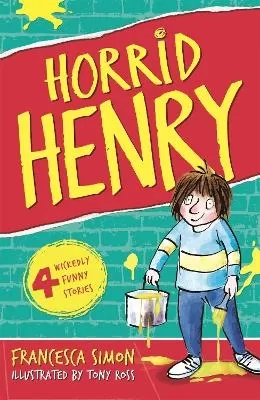
Published in 1994, Horrid Henry introduced one of the most gloriously mischievous characters in children’s fiction. Whether he was sabotaging talent shows or terrorising his goody-two-shoes brother Perfect Peter, Henry gave voice to every child's rebellious streak. Francesca Simon’s sharp humour paired with Tony Ross’s brilliant illustrations made these stories fly off the shelves. For 90s kids, they were quick reads with big laughs—and a refreshing change from more wholesome heroes. Henry didn’t always learn a lesson, and that was part of the fun.
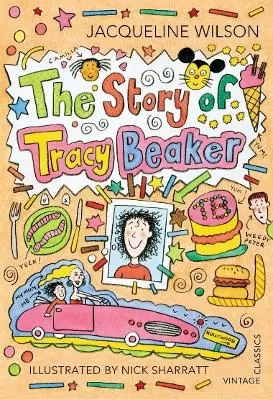
Tracy Beaker exploded onto the scene in 1991, instantly becoming one of the most recognisable voices in British children's fiction. Bold, funny and deeply vulnerable, Tracy tells her story from the ‘Dumping Ground’—a care home she fills with big dreams and bigger tantrums. What made the book so powerful was Jacqueline Wilson’s unflinching honesty: she didn’t sugarcoat childhood. Illustrated with Nick Sharratt’s instantly recognisable line drawings, The Story of Tracy Beaker tackled themes of loneliness, anger, and hope, while remaining utterly readable. In the 90s, it sparked important conversations—and for many children, it was the first time they truly saw themselves in a book.
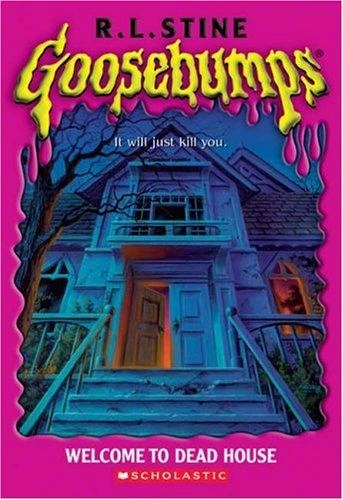
R.L. Stine’s Goosebumps series was the ultimate schoolyard sensation, and it all started with Welcome to Dead House, published in 1992. Set in a creepy new town where not everything is quite alive—or dead—it set the tone for what would become one of the most successful children’s horror series ever. With just the right amount of fright for younger readers, Goosebumps struck that perfect 90s balance: slightly terrifying, completely addictive, and easy to swap with your friends. Whether you read it under the covers with a torch or sneakily in class, this was essential reading for 90s kids who loved a thrill.
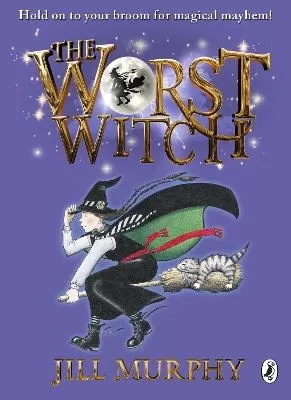
Although originally published in 1974, The Worst Witch flew back onto the radar in the early 90s with new editions and TV adaptations. Mildred Hubble, the clumsy student at Miss Cackle’s Academy for Witches, is endlessly relatable. She means well, but spells go wrong, potions explode, and teachers scowl. Long before Hogwarts came along, The Worst Witch gave 90s readers a taste of magical boarding school life—with all the awkwardness of being the odd one out. Jill Murphy’s warmth and humour made it a go-to read for fans of magic and mischief.
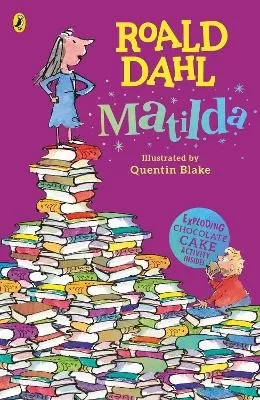
Published in 1988 and rising to fame throughout the 90s, Matilda became a defining book of the decade. A gifted girl born into the world’s most infuriating family, Matilda finds power in books, kindness in her teacher Miss Honey, and justice in the downfall of the terrifying Miss Trunchbull. Roald Dahl’s wit and championing of underdogs made this a firm favourite. With the 1996 film release cementing its popularity, Matilda showed kids that being clever, kind, and brave could be truly magical.
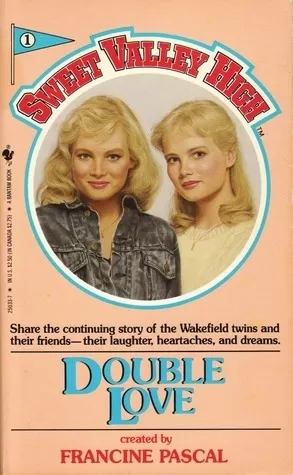
Though first published in the early 80s, Sweet Valley High found a devoted new audience in the 90s. Double Love, the first in the series, introduced us to Jessica and Elizabeth Wakefield—California twins who looked alike but couldn’t be more different. With their sun-soaked high school drama, relationship dilemmas, and friendship fallouts, these books became a rite of passage for many tweens and teens in the 90s. The glossy covers and fast-paced storytelling captured the escapism of American teen life, and made the series wildly popular among young readers who wanted a glimpse into an older, more glamorous world.
Nancy Drew had been solving mysteries since the 1930s, but the 90s saw a major revival of the iconic teenage sleuth, especially with updated reprints and fresh covers. The Secret of the Old Clock, her first case, remained a favourite. Independent, smart, and always a step ahead, Nancy was a role model in an era when girl detectives were few and far between. With its mix of mystery, danger and a dash of glamour, this book proved just as gripping to 90s readers as it did to their parents and grandparents. Nancy didn’t just solve mysteries—she defined cool confidence for a generation.


.webp)