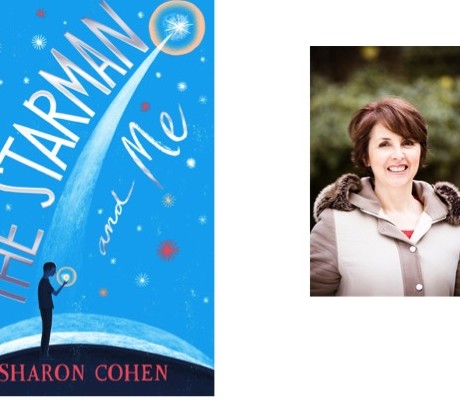
The book is written from Rosalind’s perspective. She has selective mutism, a severe anxiety disorder which makes it impossible for her to speak in front of anyone except her immediate family, and her slightly batty elderly next-door neighbour, Mrs Quinney (and her cats). When Rosalind starts at a new secondary school, she’s known as the weird girl who can’t speak and becomes the perfect target for bullies – someone who can’t fight back. At home, her little brother is very sick, so she feels unable to tell her parents about what’s happening to her. So Rosalind starts an anonymous blog - Miss Nobody. Online Rosalind is able to say exactly what she wants. However, it isn’t long before things spiral out of control, and people start getting hurt. Rosalind has to speak up – but how can you do that when you can’t actually speak?
Being Miss Nobody is about the double-edged power of social media: how it can be a brilliant tool to express yourself, but how easy it can be to forget that our words have enormous power. I’m sure I’m not alone in worrying about young people staying safe online, and the devastating consequences of cyberbullying. Books really do have the power to change hearts and minds, so I hope Being Miss Nobody serves as a little reminder of the importance of being kind – in real life as well as online. The book also explores the difficulties of living with SM: how it can be a barrier to making friends, asking for help, and showing people how smart, funny, kind and unique you are. It was important to me to make Rosalind a funny character, and include a lot of humour in the book. The story is heart-breaking, but I wanted readers to laugh as much as they cry.
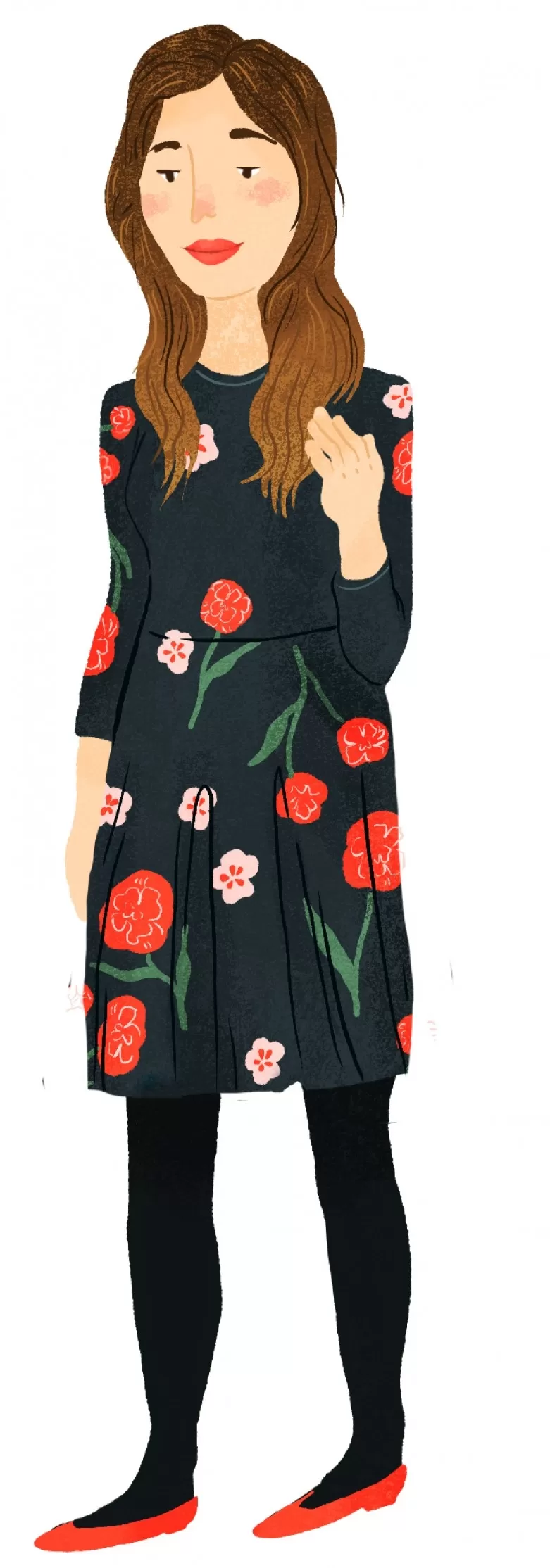
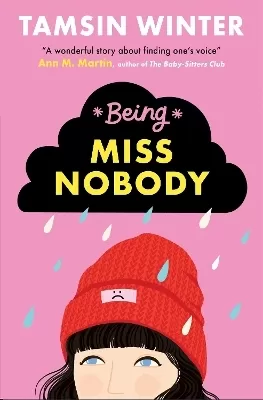
I immediately fell in love with the cover and illustrations for the book, created by the artist Emma Trithart. Her drawings perfectly capture Rosalind’s quirky, kind, funny and sweet character, and the difficulties caused by her SM.
I am not a very well-disciplined writer. I have these enormous creative bursts where I write thousands of words a day, then periods when I can barely write a page. I am entirely envious of people who write a regular amount of words every day. I’ve never been like that. I’m a terrible insomniac, and do most of my writing late at night. Although since having my son that doesn’t work out very well as he is such an early riser!
Writing is a solitary pursuit, and I often find myself having conversations with my characters. They feel very real to me, despite being fictional. I imagine everything about them, down to the most miniscule details, like the pattern of freckles on their face, how scuffed their shoes are, or what their handwriting looks like. Maybe it sounds strange imagining them in this much detail, but it’s the only way to make them feel real. And that’s what writing is all about to me.